
Captivating narrative that reflects the landscape of creativity.
In the Digital Age we are in, whole media and information space is fragmented, fluid, hard to grasp or simply very unclear. That's why being clear is of super high importance. When you try to establish a brand, being clear is... everything. And as we will dive deep into the brand construct, it becomes obvious that constructing a clear, highly mentally available (so memorable too) brand is not an easy task, but those who accomplish this task, win big.
Now, for a short warm-up. Is this a cultural strategy of the Starbucks brand? “The coolest premium "third place" (after home and work) where you feel instantly more premium paying an affordable price for that experience.” Sounds very well thought of and seductive but it is only part of the game. Actually “playing on the ideological ground of "artisanal cosmopolitanism" with very well planned delivery of "affordable premium" myth via precise usage of a variety of culture codes ” is the cultural strategy of Starbucks.
Sounds complicated? It is, but it is also the place where brands win or lose a lot. Furthermore the extremely important concept of mental availability of a brand in context is also at play here.
So how cultural strategy and mental availability relate to each other?
Brands invest a lot in being instantly mentally available in some context: for example in dark Irish bars, Guinness would be the brand with super fast association. When a brand chooses to build on let’s say “french contemporary premium leisure” cultural strategy, then it should invest money to be instantly mentally available in such contexts: when I want to feel this french leisure, then let’s say polish brand - Bistro Charlotte (wonderfully build on french strategy) comes to my mind.
This is at play also in coffee and snacks industry, as in many others.

The primary focus of cultural strategy is to identify key trends in consumer ideologies and myths, and then utilize these trends to create new brand identities.
Instead of relying on individual consumer psychological needs, it is better to base brand building efforts on broader cultural trends. Once key trends have been identified and new brand identities have been crafted, the next step is to implement these new identities with some vehicles to deliver this: effective tool is through advertising, interior design, retail experiences, in categories such as clothing and automobiles, the product form is the main carrier of the brand identity.
Cultural strategy operates on the symbolic level of a brand. Park et al. (1986) suggest that new brands offer three types of benefits: functional, symbolic, and experiential. Functional benefits are based on new technologies and provide new capabilities, symbolic benefits satisfy consumer needs for self-expression and identity construction (such as wearing a Rolex watch to feel successful), and experiential benefits refer to sensory stimulation (such as the new car smell).
Brands are not just products or services, they are also cultural symbols that can hold great meaning and value for consumers.
An ideology is a set of beliefs, values, and principles that shape a particular worldview. Brands can use ideologies in their cultural strategies by aligning themselves with particular values or causes that resonate with their target audience. For example, a brand might align itself with environmentalism or social justice, in order to appeal to consumers who prioritize those values.
Myths, on the other hand, are stories or narratives that convey deeper meanings and cultural values. Brands can use myths in their cultural strategies by creating their own origin stories, or by tapping into existing myths and archetypes.

Nike has long aligned itself with the ideology of "just do it," promoting a message of personal empowerment and self-expression. This is just oneexample of a brand that has used ideologies and myths in its cultural strategy.
When brand myth of "overcoming personal weaknesses with internal strength" becomes reflected in customers Unique Usage Moment.
It is worth mentioning that "Just do it" in more specific sense is a brand idea that sticks to consumers lowered motivation to exercise. This ideology has helped Nike establish itself as a cultural icon. Nike has also tapped into myths and archetypes in its branding efforts.
The "Unique Usage Moment" is a concept in marketing that refers to the specific moment when a consumer decides to use a product. This moment is often influenced by various factors, such as the consumer's motivation, mood, and environment.
In the context of Nike's "Just do it" campaign, the unique usage moment refers to the moment when a person decides whether or not to engage in sports or exercise. The campaign aims to motivate people to overcome any obstacles that might prevent them from being active, such as lack of time, energy, or motivation.
The unique usage moment for Nike's campaign is when a person is faced with a choice between being active or not. By reminding people to "just do it," Nike hopes to influence their decision in a positive way and motivate them to be more active. This message is particularly important for those who struggle with motivation to exercise, as it encourages them to take action even when they don't feel like it.
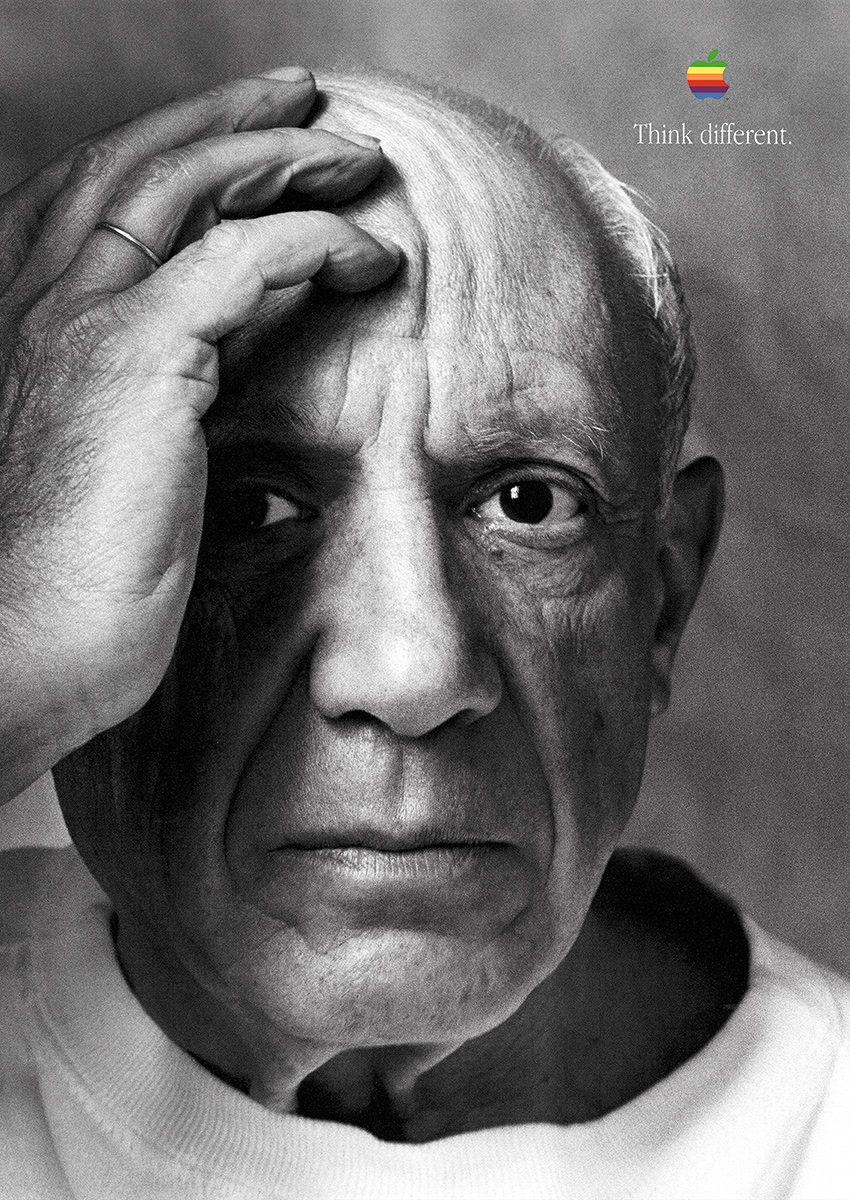
Apple hastapped into myths and archetypes in its branding efforts. For example, the iconic "Think Different" campaign, which featured images of iconic figures such as Albert Einstein and Mahatma Gandhi, positioned Apple as a champion of creativity and innovation, and tapped into the archetype of the rebel or the visionary.
The best brands use ideologies and myths in their cultural strategies to create deeper connections with their customers, and to establish themselves as cultural symbols that hold meaning and value. By aligning themselves with particular values or causes, and by tapping into myths and archetypes, brands can position themselves as they want in line with their business intent and market orientation, and create a lasting legacy that extends beyond their products and services.
The best brands use ideologies and myths in their cultural strategies to create deeper connections with their customers, and to establish themselves as cultural symbols that hold meaning and value. By aligning themselves with particular values or causes, and by tapping into myths and archetypes, brands can position themselves as they want in line with their business intent and market orientation, and create a lasting legacy that extends beyond their products and services.

Starbucks has long been known for their cosmopolitan artisanship ideology and accessible sophistication myth in their cultural strategy. These two concepts are deeply ingrained in the Starbucks brand.
The cosmopolitan artisanship ideology is all about the quality of the products and the craftsmanship that goes into creating them. Starbucks prides itself on using high-quality ingredients and carefully crafting each drink to perfection. This ideology is also reflected in the design of their stores, which are often designed to be warm and inviting, with comfortable seating and a relaxed atmosphere.
The accessible sophistication myth is all about making the Starbucks experience accessible to everyone. This myth implies that Starbucks is a place where anyone can come and feel sophisticated and cultured, regardless of their background or income level. This is reflected in the price point of their drinks, which are often more expensive than other coffee shops, but still affordable enough for many people to enjoy on a regular basis.
These two concepts work together to create a cultural strategy that is focused on creating a unique and high-quality coffee experience that is accessible to everyone. Starbucks has built a loyal customer base by consistently delivering on this promise and by constantly innovating and introducing new products and experiences to their customers.


They help to build a strong internal culture, communicate the brand's values to the outside world, guide decision-making, and create a competitive advantage.